The best dive sites on Koh Tao
Granite pinnacles wrapped in barracuda, a wartime wreck, turtle-filled bays and the Gulf's most famous chimney — all within a short boat ride of Chalok Bay. Here are the sites we love, and who each one suits.
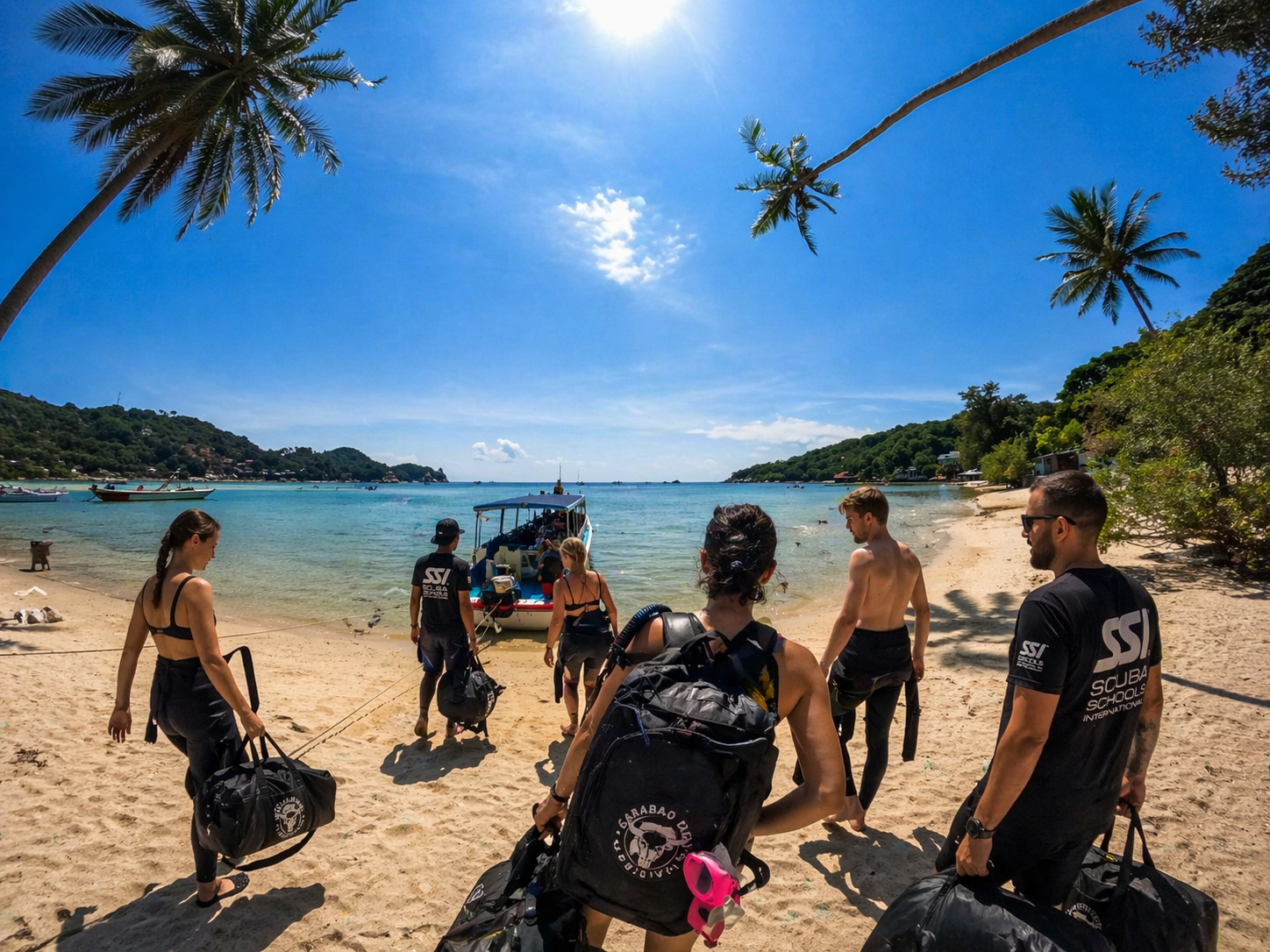
Koh Tao packs an astonishing variety of diving into a small patch of the Gulf of Thailand. Most sites sit within 20–45 minutes of the island, so you can dive a world-class pinnacle in the morning and be back for lunch by the pool. Here's our run-down, roughly from gentle to advanced.
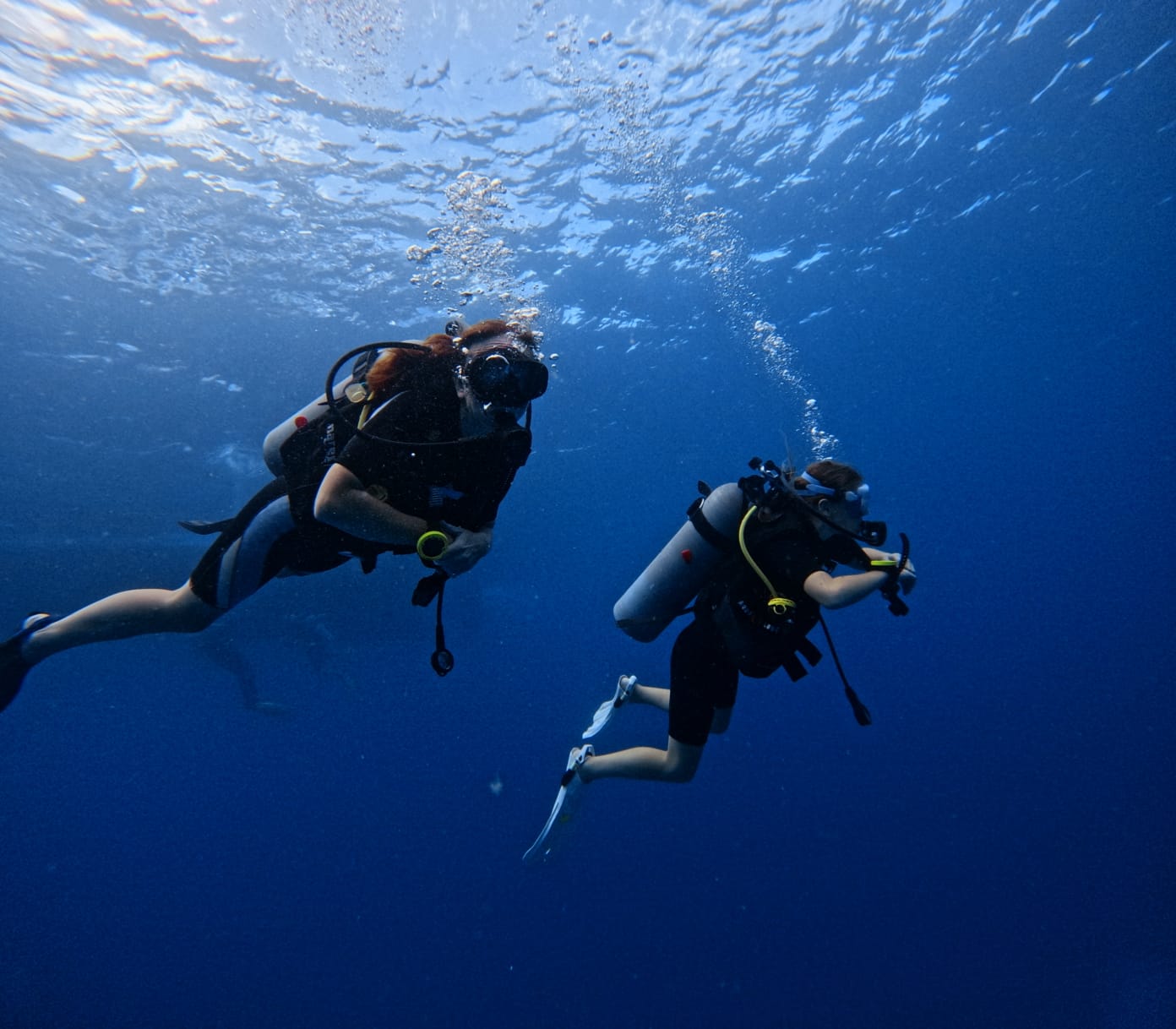
Shark Bay
A calm, shallow bay famous for its resident green turtles and the occasional blacktip reef shark cruising the sand. Gentle conditions make it perfect for first dives and relaxed fun dives — and you'll almost always surface having seen something special.
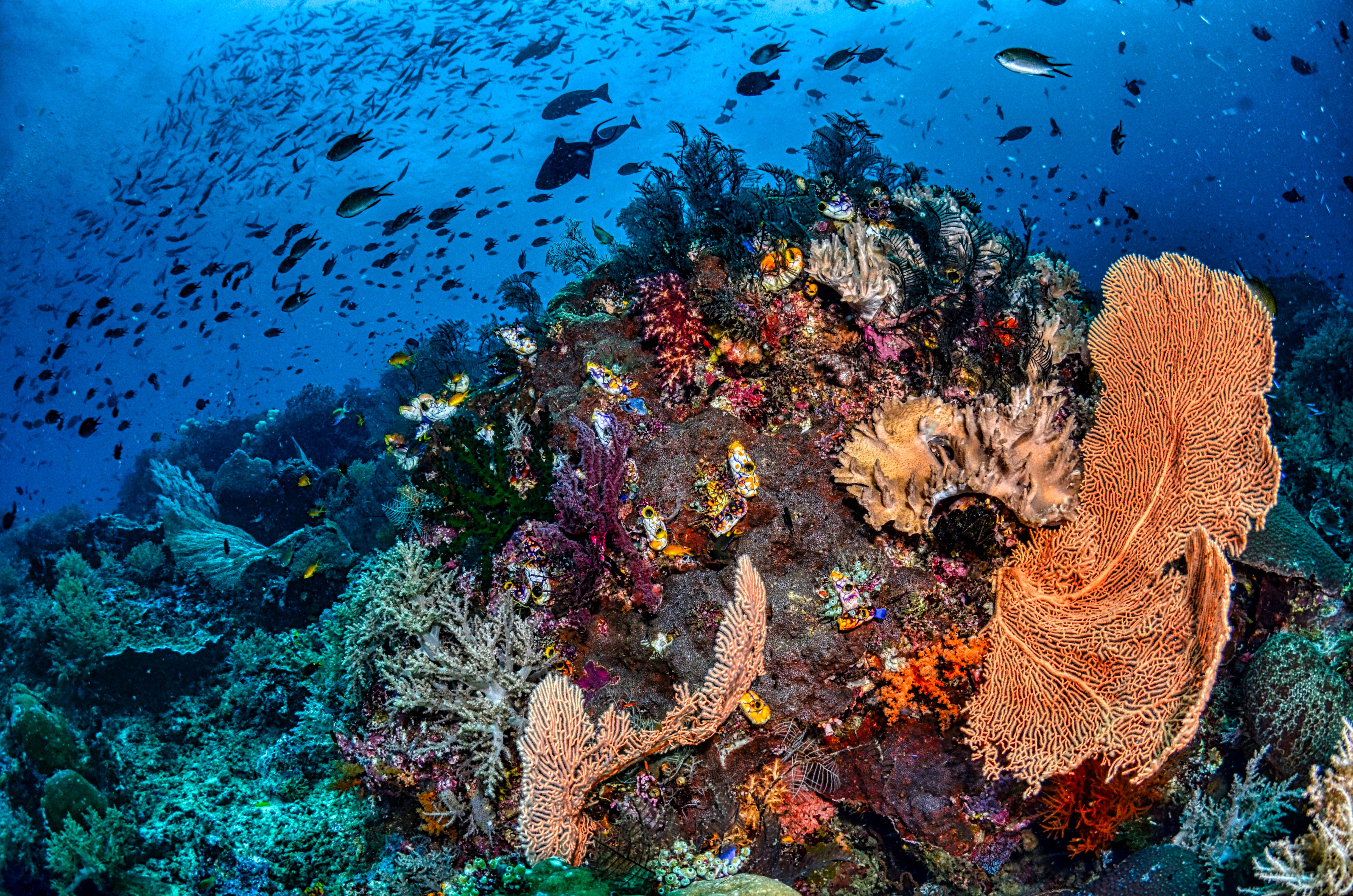
Japanese Gardens & Twins
On the sheltered side of nearby Koh Nang Yuan, these shallow sites are a riot of hard and soft coral, anemones and clownfish. Easy, bright and bursting with life — the classic spot for training dives and snorkellers alike.
HTMS Sattakut
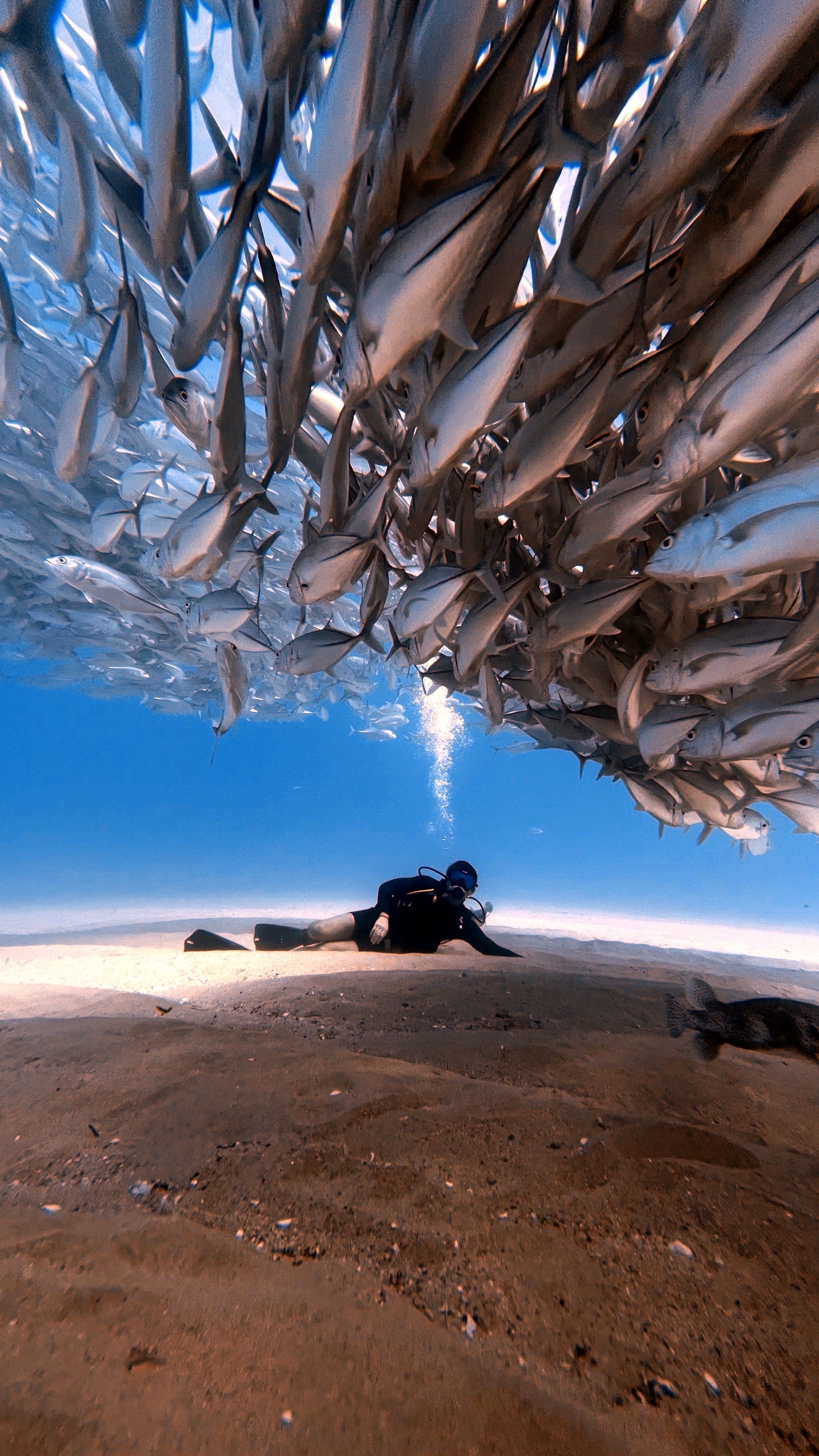
A decommissioned navy ship sunk as an artificial reef off Hin Pee Wee, now home to grouper, batfish and swirling baitballs. An accessible, atmospheric wreck dive and a favourite for Advanced students cutting their teeth on deeper diving.
Chumphon Pinnacle
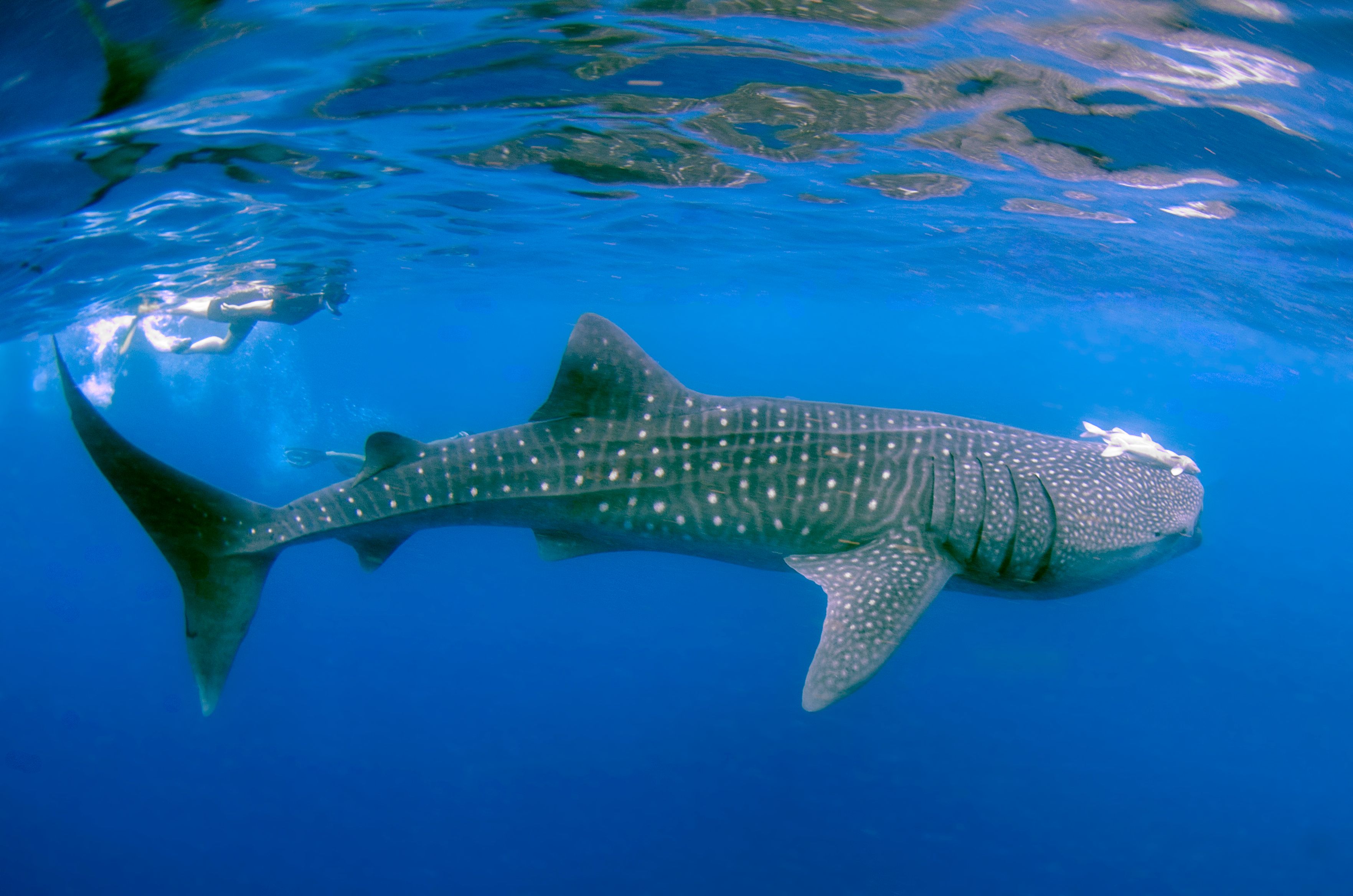
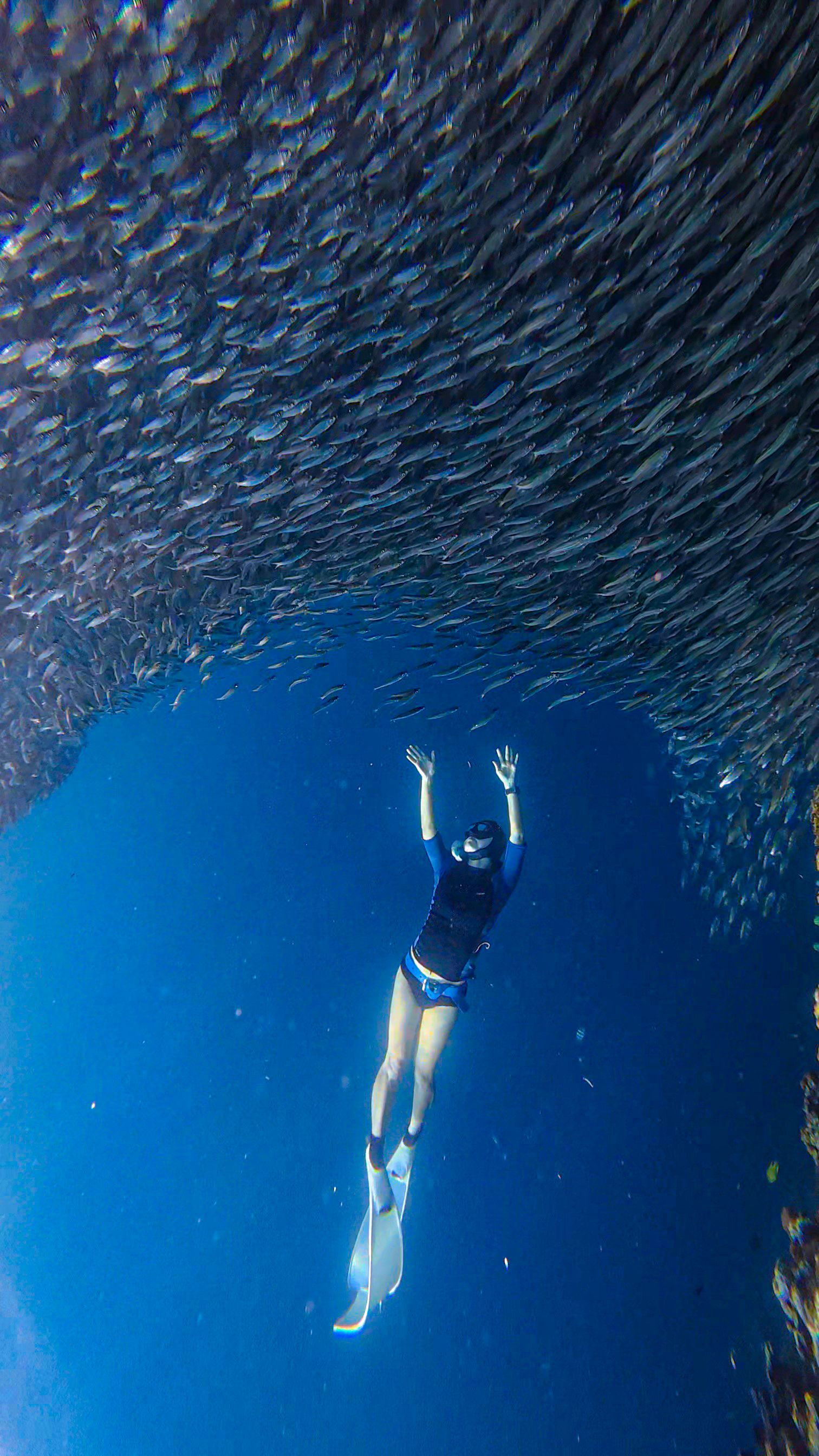
Koh Tao's crown jewel — a granite pinnacle rising from the deep, blanketed in pink anemones and patrolled by giant groupers, schooling barracuda and trevally. In the green season it's one of the island's best shots at a whale shark. Big, blue and unforgettable.
Sail Rock
The Gulf's most famous dive, midway to Koh Phangan. Its legendary vertical swim-through — "the chimney" — rises through the rock while clouds of fusiliers, snapper and the occasional whale shark swirl around the spire. A bucket-list day trip we run regularly.
When to dive which site
The shallow bays and coral gardens are divable year-round and ideal while you're learning. The pinnacles and Sail Rock reward a little experience — most divers reach them during or after an Advanced course. For the best visibility aim for March–September; for the biggest marine life, the green season later in the year is hard to beat.